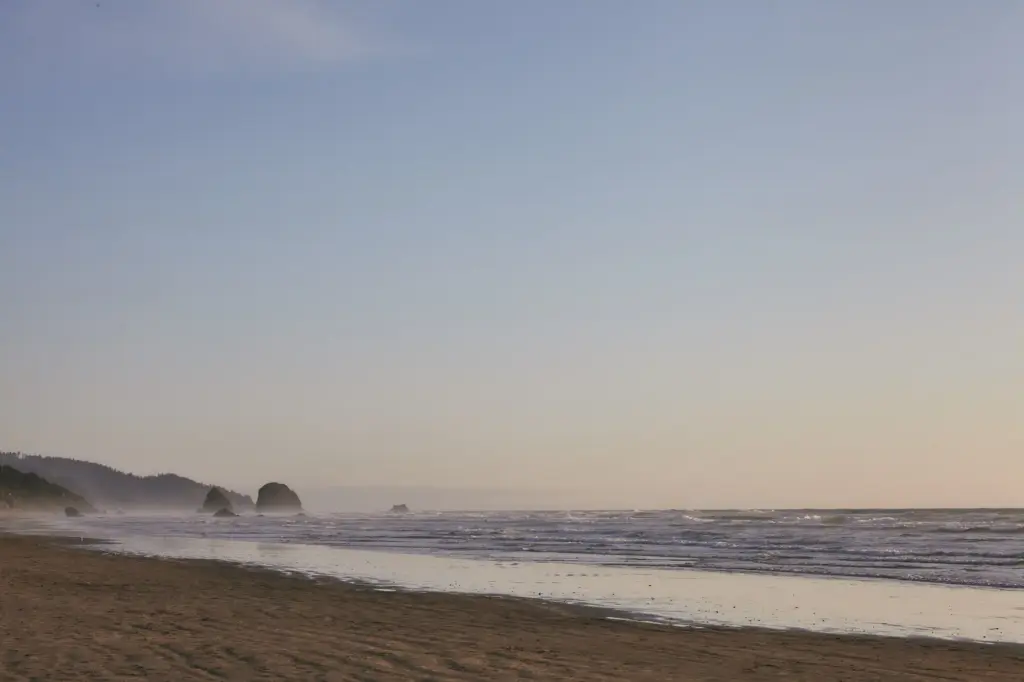
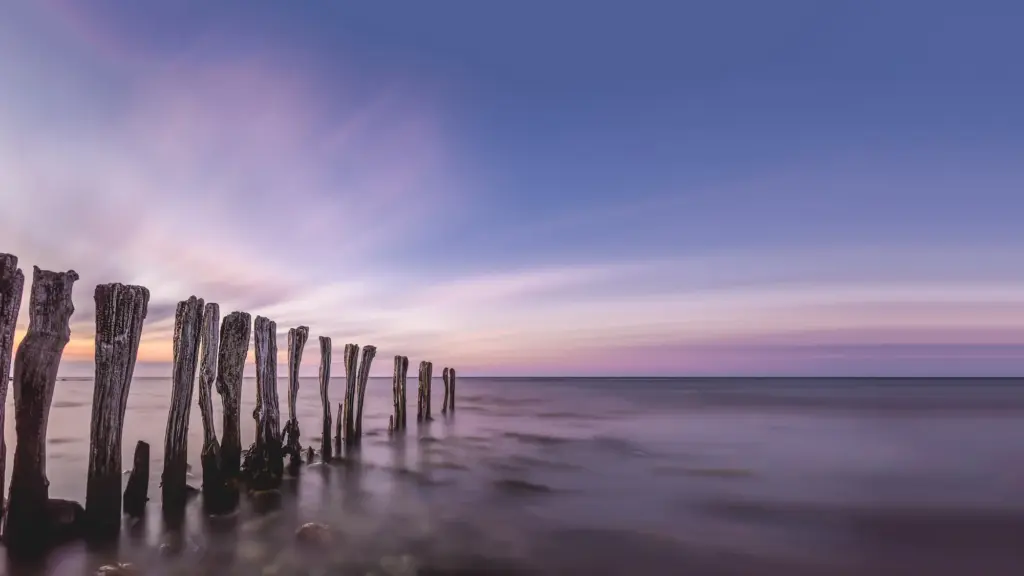
Still Water, Soft Radiance

Join a quiet journey into minimalist seascape photography, where we pursue impeccably flat horizons and the gentlest light. Learn fieldcraft, timing, and subtle processing that reduce distraction, reveal essence, and let water, sky, and a single line carry feeling with graceful clarity.

Lines That Hold the Sea

Minimal composition begins with a level horizon so quiet it almost disappears. Use a leveling base or bubble, decide whether the line sits centered or low, clear clutter from edges, and expand negative space so the sea’s breath and the sky’s hush feel effortlessly balanced.

01

Finding True Level in the Wild

Rely on a sturdy tripod and an electronic level, then verify with live‑view grids across the whole frame. Micro‑adjust legs on shifting sand, avoid ultrawide tilt that bows lines, and recheck after recomposing, because fractions of a degree can disturb essential calm.

02

Negative Space that Breathes

Let air and water carry most of the frame, reserving detail for a modest anchor like a buoy or jetty. Simplicity is not emptiness; it is clarity. Remove duplicates, merge tones, and leave room for the viewer’s imagination to move unhurriedly.

03

Subject Economy and Edge Discipline

Choose one subject, two at most, and give them space. Patrol every border for stray foam, rocks, or people. Edges speak loudly in quiet frames; if they chatter, crop or reframe until the dialogue becomes serene and beautifully intentional.

Reading the Sky’s Quiet Grammar

Watch thin high clouds soften sunbeams, while lower stratus evens tones across the sea. Study satellite loops, then stand still for five minutes to see direction and speed. Gentle changes reveal when the light will whisper rather than shout.

Managing Dynamic Range with Care

Meter for highlights in bright bands near the horizon, then nudge exposure to the right without clipping. If the scene stretches wider, bracket discreetly and blend softly, preserving natural gradation so the atmosphere feels believable, tender, and free from crunchy transitions.

Tools That Disappear

Choose equipment that supports intention yet never steals attention. A leveling base, solid tripod, remote release, and carefully chosen filters reduce friction, allowing concentration on timing and restraint. Pack lightly, work deliberately, and let craft dissolve behind the experience of looking.

Time as a Brush

Lengthening exposure transforms texture into tone and movement into suggestion. Test half‑second blurs, then ladder into multi‑minute serenity. Balance cloud drift against tide pull, watch for ferry wakes, and anticipate color shifts from dense glass to keep purity intact.

Editing with Quiet Hands

Processing should feel invisible, like wiping salt spray from a lens. Nurture soft transitions, honest color, and absolute horizons. Dodge or burn with large, feathery strokes, restrain clarity, and let gentle light remain the protagonist that guides the viewer’s breathing pace.

Patience Beside a Restless Shore

A Morning Given to One Jetty

I once spent two hours with a single jetty, feet soaked, lens salted, making only four exposures. By listening, I learned the interval between swells and gulls. Fewer attempts, deeper attention: an approach that earns quiet photographs and lasting satisfaction.

Safety, Simplicity, and Respect

Never turn your back to waves, secure tripod feet, and leave fragile dunes untouched. Minimalism embraces humility: carry less, move slower, and let the coast breathe. Share the space with anglers and walkers, and pack away litter you did not create.

Join the Conversation

Post your calmest shoreline frame, say what shutter length carried the day, and tell us how you leveled the line. Tag a friend who loves quiet photographs. Subscribe for field notes, tide tools, gentle critiques, and invitations to small coastal walks.